Should Non-Citizens Be Allowed To Vote In US Elections?
Supreme Court Considers Reviewing January 6th Related Appeals
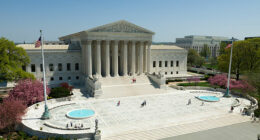
The U.S. Supreme Court is poised to consider cases linked to the events of January 6, potentially influencing the legal proceedings against former President Donald Trump. During a private session this Friday, the Justices will deliberate on whether to review appeals from Edward Lang, Joseph Fischer, and Garrett Miller, as reported by the Washington Examiner. This discussion was initially slated for last week but was postponed due to the passing of retired Justice Sandra Day O’Connor, according to NBC News.
To take up a case, at least four of the nine Justices must vote in favor. The central issue for these defendants is the validity of a specific charge: obstructing an official proceeding at the U.S. Capitol during the January 6, 2021, unrest, where protesters disrupted the certification of the Electoral College votes.
The defendants contest the application of Section 1512 (c)(2) of the United States Code in their cases. This statute is also used in the four-count federal election interference case against Trump, led by Special Counsel Jack Smith in Washington, D.C.
Should the Supreme Court decline these appeals, the lower court’s decision to proceed with the charges will stand. Alternatively, if the Supreme Court opts for a hearing, it would conduct oral arguments and issue a decision within its current term, concluding in June.
The Supreme Court’s involvement could prompt Trump’s legal team to request postponing his trial, scheduled for March, as reported by NBC News.
Lang’s attorneys argue that the interpretation of the statute impacts numerous cases, as the Department of Justice continues prosecuting individuals involved in the January 6 events. Lang’s lawyer, Norm Pattis, has criticized the government’s broad interpretation of the statute, expressing concerns about its implications for public participation in events.
The charge in question is the most severe levied in the January 6 cases. Notably, Enrique Tarrio and Stewart Rhodes, leaders of the Proud Boys and Oath Keepers respectively, received lengthy sentences for violating this statute.