Trump Middle East Move Shocks His Critics
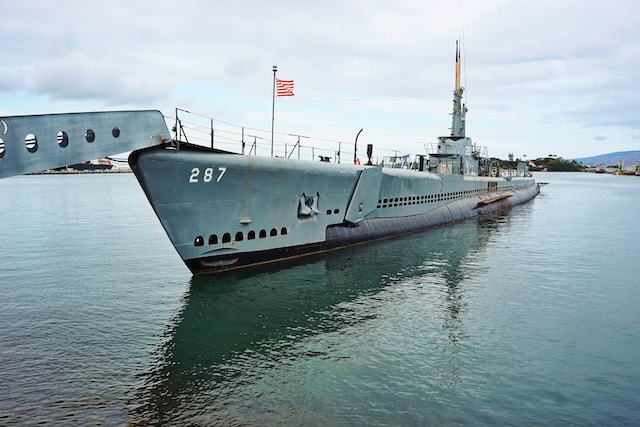
A major U.S. military move in the Middle East is putting intense economic pressure on Iran, as the Trump administration ramps up efforts to force new negotiations.
According to U.S. officials, a blockade of the Strait of Hormuz has sharply restricted access to Iran’s ports—cutting off as much as 90% of the country’s trade. The move is designed to push Tehran back to the negotiating table, but it also carries risks for global energy markets.
Military leaders say the strategy is already having an impact. Retired Vice Adm. Kevin Donegan noted that while the pressure is significant, Iran’s leadership may be willing to endure economic pain longer than expected, even if it affects its population.
Since the blockade began earlier this week, U.S. forces have taken an aggressive stance. Dan Caine confirmed that multiple ships have already turned away rather than risk confrontation. He also made clear that vessels attempting to bypass the restrictions could face direct military action, including boarding operations.
American forces are closely monitoring Iranian shipping activity, including vessels suspected of evading sanctions. Officials say enforcement isn’t limited to the region, with potential tracking operations extending globally. The scale of the operation has been described as complex and high-risk, with Navy ships navigating crowded waters while maintaining constant surveillance.
Rather than positioning warships directly along Iran’s coastline, the U.S. military has established a wider monitoring zone in nearby waters, keeping watch over numerous ports and intercepting vessels attempting to enter or exit the region.
President Donald Trump praised the operation, saying it has effectively halted Iran’s ability to conduct business internationally. The move comes as tensions remain high, with no clear resolution following recent diplomatic talks.
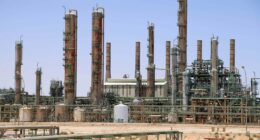
Before the blockade, Iran was exporting roughly 1.5 million barrels of oil per day and generating hundreds of millions in maritime trade. Officials now say that activity has been dramatically reduced, delivering a significant economic blow.
Experts are divided on what happens next. Some, like Joel Rayburn, argue the blockade could severely damage Iran’s economy, noting that the country lacks the infrastructure to replace sea-based trade with land routes.
Others remain skeptical. Analysts at Defense Priorities warn that economic pressure alone may not be enough, suggesting Iran could remain defiant given the high stakes involved.
There’s also concern closer to home. Prolonged disruption in the region could lead to higher oil prices, potentially impacting U.S. consumers at the gas pump.
Even supporters of the strategy caution that military pressure has its limits. Donegan emphasized that while the blockade may weaken Iran economically, it will likely need to be paired with sustained diplomacy to reach any lasting resolution.
As the situation unfolds, the world is watching closely—balancing the potential for economic leverage against the risks of a prolonged and unpredictable standoff.