China Wants Trump To Do What?

China signaled Friday that it sees little benefit in the continued conflict between the United States and Iran, as President Donald Trump claimed he made progress with Chinese President Xi Jinping on key issues tied to the crisis, including the reopening of the Strait of Hormuz.
A spokesperson for China’s Foreign Ministry said the war should never have happened and argued that extending the conflict serves no meaningful purpose for the region or the global economy. Chinese officials called for an immediate ceasefire and renewed diplomatic negotiations aimed at ending tensions.
The comments followed a closely watched two-day summit between Trump and Xi that focused heavily on trade disputes, Taiwan, and growing instability in the Middle East.
While Chinese officials avoided directly confirming whether Iran was discussed in detail during the talks, Trump later suggested that both leaders found common ground on several major issues related to the conflict. According to the president, both countries want to prevent Iran from developing nuclear weapons while also ensuring that commercial shipping can safely move through the Strait of Hormuz.
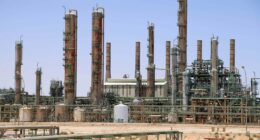
The strategic waterway has become one of the central flashpoints in the standoff between Washington and Tehran. Roughly one-fifth of the world’s oil supply normally passes through the strait, and disruptions there have sent energy prices sharply higher across global markets in recent months.
Trump has been pressuring China to use its economic influence over Iran to help push Tehran toward a broader agreement. China remains the largest buyer of Iranian oil, purchasing the overwhelming majority of the country’s exports and generating billions in annual revenue for the Iranian government.
According to statements released after the summit, Xi expressed opposition to the militarization of the Strait of Hormuz and rejected efforts to impose fees or restrictions on international shipping through the route. The White House also indicated that China showed interest in increasing purchases of American oil as part of broader economic discussions.
Trump further claimed that Xi pledged not to provide military equipment to Iran — a significant statement given longstanding concerns in Washington about China’s relationship with Tehran. Chinese officials have previously denied supplying weapons to the Iranian government.
Despite the optimistic tone surrounding the summit, negotiations between the United States and Iran over a permanent agreement to end hostilities appear to remain deadlocked. Reports indicate both sides continue rejecting key parts of each other’s proposals, leaving uncertainty about whether diplomacy can prevent the conflict from escalating further.
With global oil prices still elevated and shipping disruptions continuing to pressure economies worldwide, international leaders are increasingly warning that prolonged instability in the region could carry serious economic consequences far beyond the Middle East.