Trumps Puts Arrogant Netanyahu In His Place
President Donald Trump has confirmed reports that he called Israeli Prime Minister Benjamin Netanyahu “f—king crazy” during a tense phone call earlier this week, citing frustration over Israel’s ongoing military actions in Lebanon as the conflict continues to complicate U.S. diplomatic efforts in the Middle East.
Speaking in an interview released Wednesday, Trump acknowledged making the remark and said his irritation stemmed from what he viewed as Israel’s continued fighting with Lebanon at a critical moment in negotiations involving Iran.
“I was a little bit perturbed at his constantly fighting with Lebanon,” Trump said.
The exchange reportedly occurred as the administration continues pursuing a broader agreement aimed at easing tensions in the region and advancing talks related to Iran. Negotiations have become increasingly difficult as fighting between Israel and the Iranian-backed Hezbollah group in Lebanon continues.
Iranian officials have maintained that progress toward a larger agreement depends in part on an end to Israel’s military campaign against Hezbollah. The ongoing clashes have become a significant obstacle to discussions involving the future of the Strait of Hormuz and Iran’s nuclear program.
Despite the sharp criticism, Trump emphasized that his overall relationship with Netanyahu remains positive.
“I like Bibi a lot, and I work very well with him,” Trump said. “I’m a wartime president. He’s a wartime prime minister.”
According to reports, Trump also warned Netanyahu that expanding military operations and carrying out threats to strike Beirut could further isolate Israel internationally and make diplomatic efforts even more challenging.
The conversation highlights growing tensions behind the scenes as Washington attempts to balance support for Israel while also seeking a negotiated resolution to broader regional conflicts.
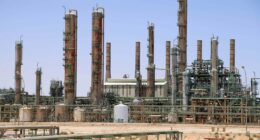
At the center of the diplomatic push is the Strait of Hormuz, one of the world’s most important shipping routes. The waterway handles a significant share of global oil transportation, and disruptions in the region have contributed to higher energy prices around the world.
The Trump administration has been working to ease restrictions affecting commercial shipping in the area and prevent additional disruptions that could further impact global markets. At the same time, U.S. military measures aimed at pressuring Iran remain in place.
The ongoing instability has fueled concerns among energy analysts and policymakers, with many warning that prolonged tensions could continue affecting oil supplies and prices for months to come.
Even with the latest disagreement between Washington and Jerusalem, Trump expressed confidence that a deal can still be reached.
While acknowledging the friction surrounding current negotiations, the president indicated he remains optimistic that diplomatic efforts will eventually produce an agreement capable of reducing tensions and bringing greater stability to the region.