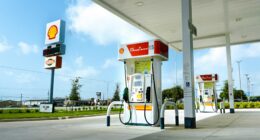
Trump’s Shocking Move To Reduce Gas Prices

Trump Moves To Cut Gas Prices Early — But The Pump Pain Isn’t Going Away Yet
The Trump administration is taking an unusual step to try to bring relief to Americans facing stubbornly high gasoline prices, ending certain summertime restrictions on fuel earlier than normal.
The Environmental Protection Agency announced Thursday that it will allow gasoline with a higher evaporation potential to be sold beginning September 1, rather than waiting until the middle of the month. The seasonal restrictions are normally designed to reduce gasoline evaporation and limit the formation of smog during the hottest part of the year.
The administration says the move could increase the nation’s gasoline supply by hundreds of thousands of barrels per day, potentially putting downward pressure on prices.
But there is an immediate problem for drivers: gas remains expensive.
The Pump Is Still Hurting
The average price of gasoline in the United States was approximately $4.10 per gallon Thursday, according to AAA.
That puts continued pressure on household budgets at a time when Americans are already watching grocery and other everyday expenses closely.
The administration is hoping that increasing the amount of gasoline available on the market will help ease some of that pressure.
EPA Administrator Lee Zeldin said the agency is taking action to “provide relief at the pump and fortify our gasoline supply chain.”
The decision comes as the administration faces growing scrutiny over energy costs. Trump campaigned heavily on the promise of making energy more affordable, making gasoline prices an especially visible measure of whether consumers are seeing the relief they were promised.
Iran War Complicates Trump’s Energy Agenda
The situation has been made more difficult by the war with Iran.
Oil prices have been pushed higher by uncertainty surrounding shipments through the Strait of Hormuz, one of the world’s most important oil transportation routes.
Any disruption or threat to shipping through the waterway can quickly ripple through global energy markets, eventually affecting American drivers at the pump.
That means the administration is trying to increase domestic gasoline supplies at the same time that geopolitical tensions are putting upward pressure on the underlying price of oil.
Will Drivers Actually See A Difference?
The administration clearly hopes the earlier policy change will help.
The United States consumed an average of roughly 8.9 million barrels of gasoline per day in 2025, meaning even a substantial increase in available supply would have to make a noticeable dent in a massive market to significantly change what consumers pay.
For drivers, the question is much simpler: Will the price on the gas station sign actually come down?
Trump’s administration is betting that increasing supply can provide some relief.
But with the Iran conflict continuing to disrupt energy markets, the president faces a difficult challenge: cutting prices at the pump while forces outside Washington continue pushing oil prices higher.