
Kamala Harris Warns Democrats Against Another Trump Impeachment Push
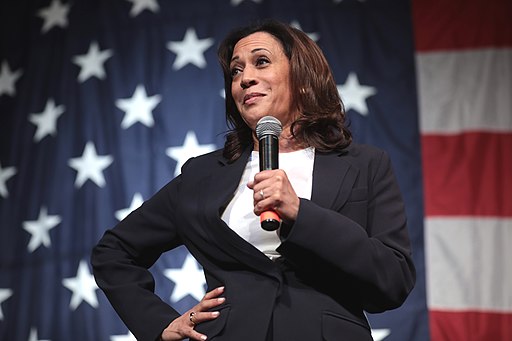
Former Vice President Kamala Harris is urging Democrats to think twice before pursuing another impeachment of President Donald Trump, arguing that the party should concentrate its efforts on investigations and holding the administration accountable instead.
During a Tuesday interview with MeidasTouch host Aaron Parnas, Harris said launching a third impeachment effort would not be the most effective use of Democratic lawmakers’ time and resources. With control of the House at stake in the upcoming midterm elections, she suggested that party leaders should prioritize oversight and investigations rather than immediately pursuing another attempt to remove Trump from office.
Harris pointed to her experience in the Senate during Trump’s second impeachment trial, noting that Democrats ultimately lacked the votes necessary to secure a conviction. Although the Senate voted to convict Trump in the political sense of the impeachment process, the final tally fell short of the two-thirds majority required under the Constitution.
She also argued that Democrats should focus on accomplishing concrete policy goals after the election rather than allowing impeachment to dominate their agenda.
That does not mean Harris wants her party to take a softer approach toward the Trump administration. She called on Democrats to remain firm in confronting the White House, particularly over healthcare cuts and oversight of the administration’s actions involving Iran.
Her comments come as Democrats consider how they would use their power if they regain control of the House. Some lawmakers have left open the possibility of another impeachment proceeding against Trump, while others have raised the prospect of targeting administration officials, including Defense Secretary Pete Hegseth.
House Minority Leader Hakeem Jeffries has previously indicated that Democrats would examine the facts and legal questions before deciding how to proceed. He has emphasized the importance of following the Constitution and allowing the evidence to guide any potential action.
Republicans, meanwhile, have repeatedly warned that Democrats would use a House majority to launch another impeachment campaign. House Speaker Mike Johnson has predicted that such an effort could begin almost immediately if Democrats take control of the chamber.
Speaking Tuesday with conservative commentator Scott Jennings, Johnson argued that Democrats were already preparing for another confrontation with Trump. He pointed to impeachment articles previously introduced during the current Congress as evidence that the possibility should not be dismissed.
A third impeachment would place Trump in an unprecedented position in American history. He is already the only president to have been impeached twice, and another proceeding would add a new chapter to the long-running political conflict between Trump and congressional Democrats.
Trump’s first impeachment took place in 2019, following allegations that he had pressured Ukrainian President Volodymyr Zelensky to investigate Joe Biden and his family while Biden was preparing to challenge Trump in the 2020 presidential election.
The House approved articles charging Trump with abuse of power and obstruction of Congress. In February 2020, the Senate acquitted him on both charges, with the votes falling short of the threshold needed for conviction.
Trump faced a second impeachment in January 2021 following the attack on the U.S. Capitol on January 6. The House charged him with inciting insurrection after a mob of his supporters breached the Capitol as Congress was meeting to certify the 2020 election results.
The Senate voted 57 to 43 to convict Trump in February 2021, with seven Republican senators joining all Democrats in voting against him. However, the result fell short of the 67 votes required for conviction, and Trump was acquitted.
Historical comparisons underscore how unusual another impeachment would be. Former President Andrew Johnson was impeached in 1868 but acquitted by the Senate. Former President Bill Clinton was impeached in 1998 and acquitted in 1999. Richard Nixon resigned in 1974 before the full House could vote on articles of impeachment after the Watergate scandal.
For Democrats, the question now is whether another impeachment effort would deliver meaningful accountability or consume political capital that could be directed toward other priorities. Harris’s remarks suggest she believes investigations, congressional oversight and policy battles deserve greater attention than a third attempt to impeach Trump.
Her position also highlights a strategic debate within the Democratic Party as the midterm elections approach. Some lawmakers may view impeachment as an essential response to alleged presidential misconduct, while others could conclude that pursuing it without sufficient Senate support would produce another acquittal without advancing their broader objectives.
If Democrats regain the House, they will have greater authority to conduct investigations, issue subpoenas through the appropriate congressional processes and scrutinize the administration’s actions. Whether party leaders choose to use that authority for another impeachment proceeding or concentrate on other forms of oversight will become a significant decision in the next Congress.
For now, Harris is making her preference clear: Democrats should remain aggressive in challenging the administration, but they should be strategic about where they direct their attention and resources. Rather than allowing another impeachment battle to become the party’s central focus, she wants lawmakers to concentrate on investigations, accountability and delivering results for the American people.