GOP Gives Up On Midterms After Trump Reveal?
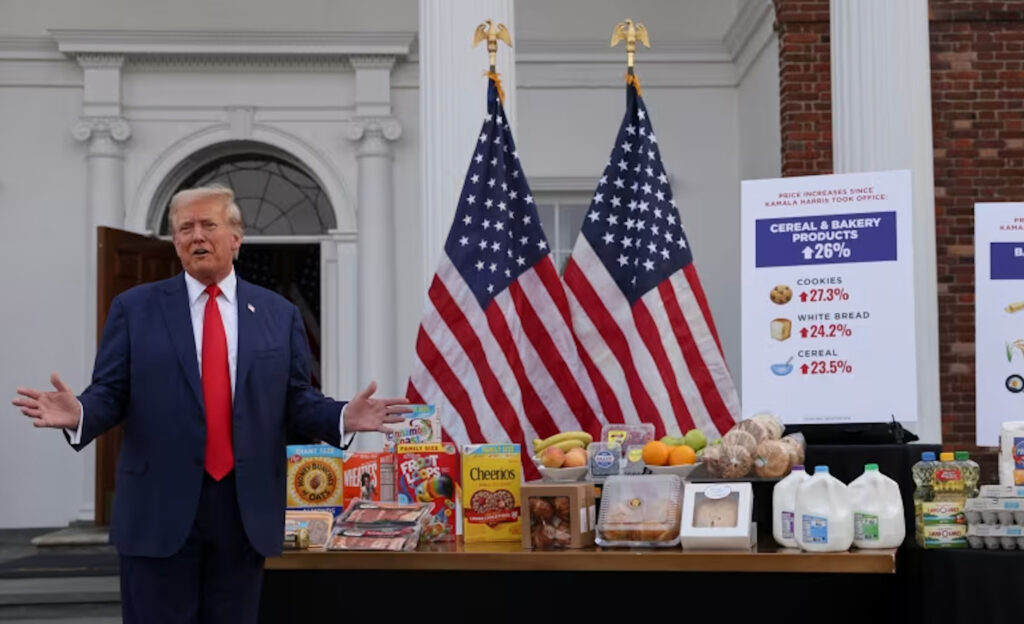
President Donald Trump is stepping directly into the Republican Party’s 2026 midterm campaign, putting himself at the center of the GOP’s effort to hold onto its majorities in Congress.
With Election Day approaching, Republicans face a difficult political calculation. Trump remains the party’s most powerful national figure and has pledged to campaign heavily for candidates, but his approval ratings and voter concerns about the economy and the Iran war have created additional challenges for Republicans running in competitive races.
Trump is scheduled to speak on both nights of the Republican midterm convention in Dallas on Sept. 9 and 10. The unusual event is intended to rally the party ahead of the November election, but the president’s expanded role also means Republican candidates will be closely associated with him during the final stretch of the campaign.
Trump has made clear that he intends to be heavily involved. At a White House dinner with House Republicans, he said he planned to campaign in roughly 35 races and would spend significant time helping Republican candidates.
That commitment extends beyond appearances. Trump said Friday that he plans to direct between $400 million and $500 million from his MAGA Inc. political operation toward the midterms. He said the organization has roughly $1 billion available and that the money is under his control.
The strategy reflects the importance of Trump’s political base to Republican turnout. At the same time, it creates a complicated situation for candidates who must appeal to voters who may have different views of the president.
The economy is one of the biggest concerns. Rising energy costs have added pressure on households, while the continuing conflict with Iran has disrupted oil supplies and contributed to higher gasoline prices. Reuters reported that voter dissatisfaction with the economy and the war has pushed Trump’s approval rating to historically low levels, creating potential difficulties for Republicans trying to defend narrow congressional majorities.
Republicans nevertheless have reason to keep Trump front and center. His ability to attract attention, mobilize supporters and generate campaign money gives him a role few other Republican figures can match.
The unusual midterm convention is another example. Trump originally was scheduled to deliver the closing address, but he was added to the opening night as well. A Republican official said the president wanted to establish the tone for the entire gathering.
The timing, however, could limit the convention’s reach. The event coincides with the opening week of the NFL season, including major games on both nights. Some Republicans have also expressed concern about attendance and whether the gathering can generate enough attention outside the party’s existing base.
Trump’s campaign activity is already extending beyond the convention. He has traveled to support candidates in important races and has said he intends to make additional stops around the country. His planned involvement includes Senate contests as well as selected gubernatorial races.
Republicans are heading into the final campaign stretch with several structural advantages, including significant financial resources. Trump’s political operation is also sitting on substantial cash, while Republican-aligned groups have maintained a major fundraising advantage.
But the central question for Republican candidates is how closely their campaigns should be tied to Trump. The president clearly wants the election to showcase his administration and agenda, while candidates must simultaneously address voters’ concerns about prices, foreign policy, energy costs and other local issues.
For now, Trump appears determined to make himself a central figure in the midterms. With just weeks remaining before voters head to the polls, Republican candidates will have little choice but to navigate the benefits and risks that come with campaigning alongside the president.