
Hillary Clinton Has A Trump Meltdown
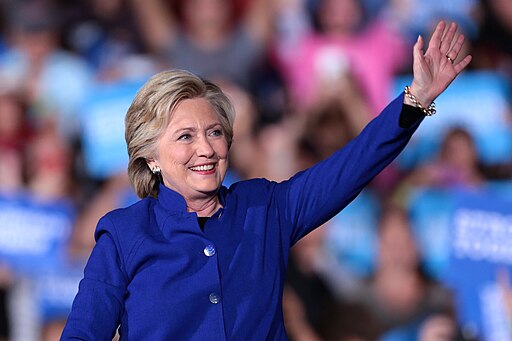
Former Secretary of State Hillary Clinton clashed with Czech Deputy Prime Minister Petr Macinka on Monday during a tense exchange at the Munich Security Conference, where the two sharply disagreed over President Trump’s policies and global impact.
Clinton accused Trump of abandoning long-standing Western alliances and democratic principles, arguing that his leadership represents a dangerous departure from established norms. Macinka, who leads a right-wing Czech political party, countered that Trump’s approach reflects a necessary pushback against what he described as excessive liberal policies.
“He has betrayed the West, human values, the NATO charter, the Atlantic Charter, the Universal Declaration of Human Rights — so much of what has been built to restrain those who seek unchecked power,” Clinton said during the panel discussion. She went on to argue that Trump appears to be modeling aspects of his leadership style on Russian President Vladimir Putin, suggesting that such an approach undermines democratic accountability.
Macinka responded pointedly, telling Clinton, “First, I think you really don’t like him.”
Clinton acknowledged the remark without hesitation, saying her opposition stems from what she views as the broader consequences of Trump’s policies both domestically and internationally. She urged supporters of the former president to reconsider what she described as the long-term implications for the United States and its allies.
Macinka offered a sharply contrasting view, framing Trump’s rise as a response to policies that he said alienated everyday citizens. He criticized what he called “cancel culture,” “woke revolution,” and progressive positions on gender identity and climate change, arguing they had moved too far from mainstream public opinion.
When the conversation turned to gender issues, Clinton briefly interjected before the moderator asked her to allow Macinka to continue. The Czech official reiterated his belief that there are only two genders and described alternative perspectives as social constructs.
Clinton later steered the discussion back to foreign policy, particularly U.S. support for Ukraine in its war against Russia. She questioned whether cultural debates justified reducing support for Ukrainians fighting on the front lines.
As tensions escalated, Macinka expressed frustration at being interrupted, while Clinton insisted she was not nervous but deeply troubled by the direction she believes Trump’s leadership represents.
The exchange underscored the stark ideological divide over Trump’s influence — both within the United States and among America’s European allies — as global leaders grapple with shifting political currents ahead of key elections on both sides of the Atlantic.