Joe Rogan Supports Trump

Joe Rogan is questioning the credibility of political polling, arguing that the people who agree to participate in surveys may not accurately represent the views of everyday Americans.
During Saturday’s episode of The Joe Rogan Experience, the popular podcast host took aim at polling methods, suggesting that people with busy lives are unlikely to spend their time answering questions from pollsters.
Speaking with comedian Francis Foster and political commentator Konstantin Kisin, Rogan argued that many Americans simply refuse to participate when strangers contact them asking for their opinions.
He suggested that people with families, jobs, hobbies and social commitments have little interest in stopping what they are doing to complete a political survey. Rogan also questioned whether the people willing to participate in polls represent the broader population, making a series of blunt remarks about the intelligence of those who respond.
Rogan said his skepticism has been longstanding, pointing out that most people simply ignore unsolicited polling requests. He argued that this creates a problem for survey organizations because the responses they collect come from a relatively small group of people willing to take the time to participate.
His criticism comes as political polling faces renewed scrutiny ahead of the midterm elections, particularly following a series of surveys showing declining support for President Donald Trump.
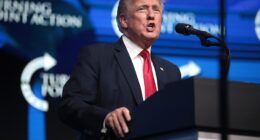
Trump has also questioned the reliability of negative polling results. During an October 29 campaign appearance in South Carolina, the president dismissed unfavorable surveys as misleading and criticized polling organizations that have published questionable results.
One organization that drew particular attention was Wedgewood Polls, which acknowledged problems involving fabricated survey data. The controversy raised additional questions about the reliability of political polling and how survey results are presented to the public.
However, problems with one polling organization do not necessarily mean that all unfavorable surveys are inaccurate. A separate national survey released Friday by Emerson College showed Trump’s approval rating at 37%, while Democrats held a 10-point advantage in the congressional midterm preference question.
The findings present a difficult political picture for Republicans heading into an election that could reshape control of Congress.
Rogan’s comments highlight a broader issue facing the polling industry: whether traditional surveys can accurately measure public opinion when many Americans refuse to participate. With voters increasingly difficult to reach and confidence in political institutions under pressure, polling organizations face growing questions about how representative their results really are.