Republicans Sulk On New Trump Decision

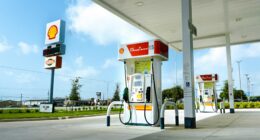
Rising gasoline prices are emerging once again as a political challenge for Republicans after hopes that lower fuel costs would ease inflation concerns ahead of the midterm elections were disrupted by renewed fighting involving Iran.
Fuel prices had been trending lower after reaching highs earlier this year, but recent military tensions have reversed some of that decline. According to AAA, the national average price for a gallon of gasoline was $2.98 when the U.S. first launched strikes on Iran in late February. Prices later climbed above $4.50 before falling to around $3.75 earlier this month. Since hostilities resumed, the national average has moved back toward $4 per gallon.
President Trump has repeatedly predicted that gasoline prices will fall sharply once the conflict ends. However, with fighting continuing and uncertainty surrounding the Strait of Hormuz, energy markets remain volatile.
Political analysts have long argued that gasoline prices can have an outsized effect on public opinion because they are one of the most visible costs consumers face. Stanford political scientist Jon Krosnick has previously found that increases in fuel prices can negatively affect presidential approval ratings and often impact the party controlling the White House.
Some economists have also warned that prolonged disruptions around the Strait of Hormuz could place additional pressure on global energy markets. American Enterprise Institute senior fellow Desmond Lachman said Iran has the ability to influence oil markets if shipping through the strategic waterway remains disrupted.
Recent polling indicates that high fuel prices continue to weigh heavily on American households, with many saying gasoline costs are placing added strain on their budgets.
While Republicans have promoted several legislative priorities, inflation and the cost of living remain major issues for voters. Trump has continued to express confidence that energy prices will decline once the conflict subsides, though the timing remains uncertain as military developments continue to evolve.
With several months remaining before the midterm elections, analysts note that energy prices could still change significantly. If the conflict eases and oil markets stabilize, gasoline prices could fall again before voters head to the polls. If prices remain elevated, however, the issue could continue to dominate the economic debate leading up to Election Day.