
Supreme Court Hands Trump A Big Win
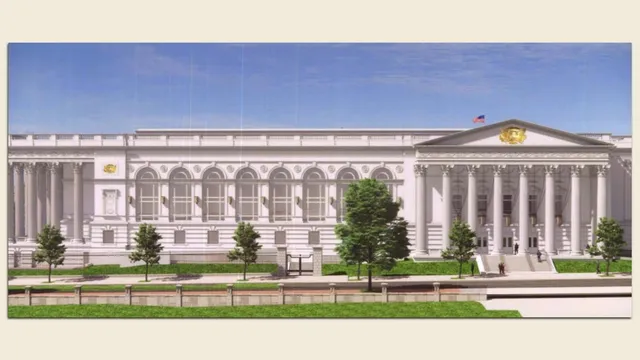
The Supreme Court ruled Friday that President Trump’s controversial White House ballroom project can move forward for now, delivering a significant victory to the administration after a lower court had ordered construction to stop.
The justices did not decide whether the project itself is legal. Instead, Chief Justice John Roberts issued a brief order pausing the lower court’s construction halt while the Supreme Court considers the administration’s request. The order also did not establish when the court will make a final decision on the dispute.
Trump welcomed the ruling, calling the planned ballroom and military complex an important national security project. He also claimed construction is currently under budget and ahead of schedule, while describing the project as something presidents and the military have wanted for decades.
The administration turned to the Supreme Court after a divided federal appeals court panel blocked construction earlier this month. That court determined that Trump needed congressional approval before moving forward with the project and temporarily suspended its ruling to give the administration time to appeal.
In its filing with the Supreme Court, the administration argued that stopping construction could interfere with presidential security, the continuity of government and national security operations. Solicitor General D. John Sauer described the lower court’s order as an extraordinary injunction and argued that the project includes secure facilities that are necessary for the White House.
The legal dispute centers on much more than a ballroom. The project involves the former East Wing area of the White House as well as underground security facilities. A federal judge previously clarified that although the administration was prohibited from developing the ballroom itself, certain underground construction related to national security and protecting the president could continue.
The White House has pointed to several security threats as part of its argument for the project, including alleged plots involving the White House and attacks connected to major Washington events. Trump, however, had discussed the possibility of adding a ballroom to the White House long before those incidents.
The project has also faced criticism because the administration initially indicated that the existing White House structure would not be significantly disrupted. The East Wing was ultimately demolished, allowing construction of the new complex to proceed.
The administration now says the project is already about 65 percent complete, with underground construction reportedly close to finished.
The price tag has also grown considerably. The combined cost of the ballroom and underground facilities is projected to reach at least $600 million, substantially higher than the original estimate. Trump initially said private donors would pay for the ballroom, but the administration has also sought taxpayer funding for security improvements connected to the project.
About $352 million in taxpayer funds was reportedly redirected toward the project earlier this year.
For now, the Supreme Court’s decision means construction can continue while the legal battle plays out — leaving the larger question unresolved: Will Trump ultimately get to finish the massive White House project, or is another legal roadblock still ahead?