
Trump Readies Troops For What?
President Donald Trump said Friday that the U.S. is prepared to resume military strikes against Iran if ongoing peace talks fail to produce an agreement.
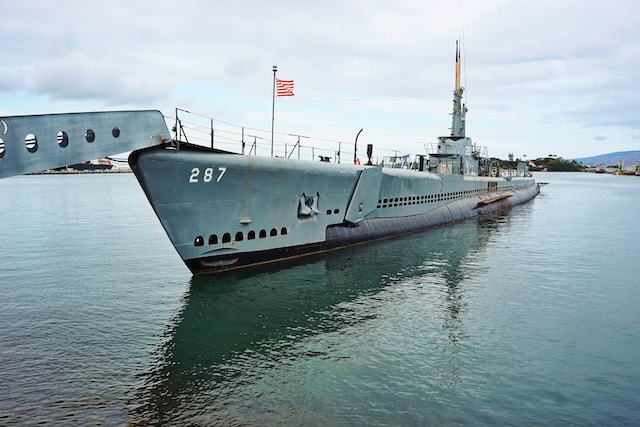
In an interview with the New York Post, Trump indicated that U.S. forces are already preparing for potential escalation. He described advanced weapons being loaded onto naval vessels, signaling readiness for a possible return to combat operations if diplomacy breaks down.
According to Trump, the outcome of the negotiations will determine the next move. If talks collapse, he suggested the military response would be swift and decisive.
Diplomatic efforts are currently underway in Pakistan. Vice President JD Vance traveled to Islamabad alongside special envoy Steve Witkoff and senior adviser Jared Kushner. Their goal is to secure a lasting agreement with Iran following a temporary two-week ceasefire reached earlier in the week.
Trump said the outcome of the talks could become clear within about 24 hours. The White House confirmed that the first round of discussions is scheduled to begin Saturday local time.
Shortly after the interview, Trump posted on Truth Social, criticizing Iran’s negotiating position. He argued that Tehran is relying on its control over key international waterways as leverage rather than engaging in meaningful concessions.
Iran’s delegation is being led by Mohammad Bagher Qalibaf and Abbas Araghchi, both of whom have taken a firm stance in prior dealings with the United States.
Trump also expressed skepticism about Iran’s intentions, saying it is unclear whether their public and private statements align, particularly on issues related to nuclear activity.
Before departing, Vance told reporters he was entering the مذاکرات with clear direction from the president but remained cautiously optimistic. He said the U.S. is open to a constructive outcome if Iran negotiates in good faith, while warning that any attempt to mislead American negotiators would be met with resistance.
The ceasefire itself remains fragile. Disagreements have already surfaced over whether the agreement includes halting strikes in Lebanon in addition to Iran. Iranian officials have insisted Lebanon should be covered, while the U.S. and Israel maintain it is not part of the deal.
In a statement posted Friday, Qalibaf said Iran would not move forward with negotiations unless there is a confirmed ceasefire in Lebanon and the release of frozen Iranian assets, adding another layer of uncertainty to the already tense talks.