Vance Sabotaged By Trump?

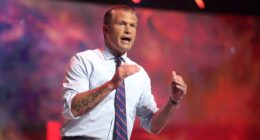
Republican lawmakers are increasingly viewing the ongoing conflict with Iran and the administration’s diplomatic efforts as issues that could shape the Republican presidential primary in 2028, with Vice President JD Vance and Secretary of State Marco Rubio widely seen as early contenders for the GOP nomination.
Several Republican senators say the outcome of negotiations with Iran could have lasting political consequences for Vance. Supporters argue that if the talks successfully reduce tensions, reopen the Strait of Hormuz, and prevent a prolonged military conflict, the vice president could receive significant political credit. Critics within the party, however, warn that any agreement perceived as giving Iran major financial or strategic concessions could become a liability heading into the next presidential race.
Some GOP lawmakers remain skeptical of the framework under discussion, expressing concern that Iran could benefit financially through increased oil exports or shipping activity while continuing to support militant groups and advancing its nuclear program. One Republican senator, speaking anonymously, said such an outcome would be difficult to defend politically if Iran failed to change its behavior.
President Donald Trump has also acknowledged the political stakes surrounding the negotiations, joking earlier this month that he would claim credit if the agreement succeeds but that Vance would receive the blame if it fails. Several Republican senators suggested the remark reflects the high-profile role the vice president has taken in promoting the administration’s diplomatic strategy.
Sen. John Cornyn said the administration appeared motivated to reduce the economic and political fallout from the conflict, including concerns over rising fuel prices and disruptions in global energy markets. At the same time, he cautioned that reopening the Strait of Hormuz alone would not necessarily change the long-term behavior of Iran’s government.
While Vance has become one of the administration’s leading public voices on the negotiations, Rubio has largely remained out of the spotlight on the issue. Some Republican observers believe that positioning could prove politically beneficial if the agreement becomes controversial, while others argue both officials may ultimately be judged on the administration’s overall foreign policy record.
Diplomatic efforts continue as senior administration officials, including Jared Kushner and Special Envoy Steve Witkoff, are expected to participate in additional talks in Qatar. However, the ceasefire remains fragile following recent military exchanges between U.S. and Iranian forces, raising questions about whether a lasting agreement can be achieved.
Other potential Republican presidential contenders have also weighed in. Sen. Ted Cruz has sharply criticized the proposed arrangement, arguing that any agreement providing significant economic benefits to Iran while it continues supporting terrorist organizations would be a mistake.
Recent polling suggests many Americans remain uncertain about the conflict and skeptical that any peace agreement will produce lasting stability. Some conservative commentators have also argued that the administration’s handling of Iran could become a defining issue during the 2028 Republican primary campaign.
Rep. Jeff Van Drew said the negotiations present both political opportunity and political risk for Vance, noting that the outcome could either strengthen or weaken his standing among Republican voters. Meanwhile, Sen. John Kennedy defended the vice president’s role, saying Vance is carrying out the administration’s policy while emphasizing that diplomatic efforts deserve an opportunity to succeed, even as questions remain about whether Iran would agree to permanently limit its nuclear ambitions.